STOP RESEARCH TEAM

Population Health Research Platform

We are dedicated to advancing the health of diverse population with health vulnerabilities.

All information posted on this site is protected by copyright and may not be used without the approval of the original author.
However, research materials produced by the STOP team may be used without prior approval, provided that the source is properly cited.


Welcome to the
STOP Research Team.

Mission and Vision

STOP research team is dedicated to advancing the health of diverse populations with health vulnerabilities through a focus on Population Health. We aim to enhance health equity by conducting research and developing intervention programs based on scientific evidence.

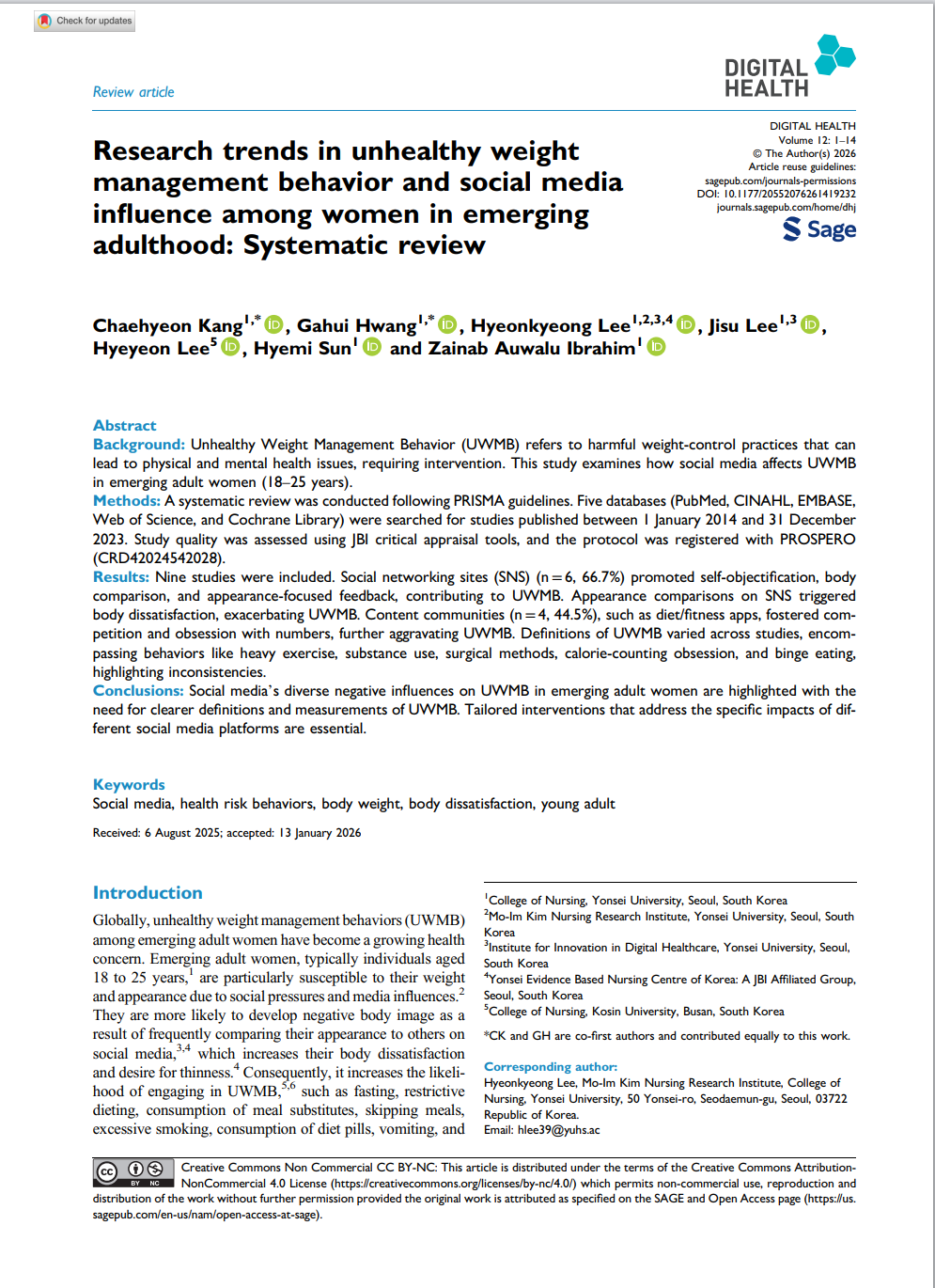
In particular, we leverage social media to prevent unhealthy risk behaviors at an early stage, striving to become a leader in health prevention and promotion. Our team drives global health solutions through continuous innovation and collaboration, setting new standards for health prevention and promotion.

Research Focus

Population Health refers to the comprehensive set of health outcomes experienced by individuals within a specific group. It emphasizes the significant impact of social and environmental conditions while underscoring the essential understanding needed to strengthen primary healthcare systems.

The theoretical framework of our research team, based on the Social Determinants of Health (SDOH), explains that negative health outcomes are influenced by structural systems, including social, economic, cultural, and political factors. We integrate these structural determinants with individual mediating factors to better understand population dynamics, identify health issues, and develop solutions.

Pursuing the SDGs

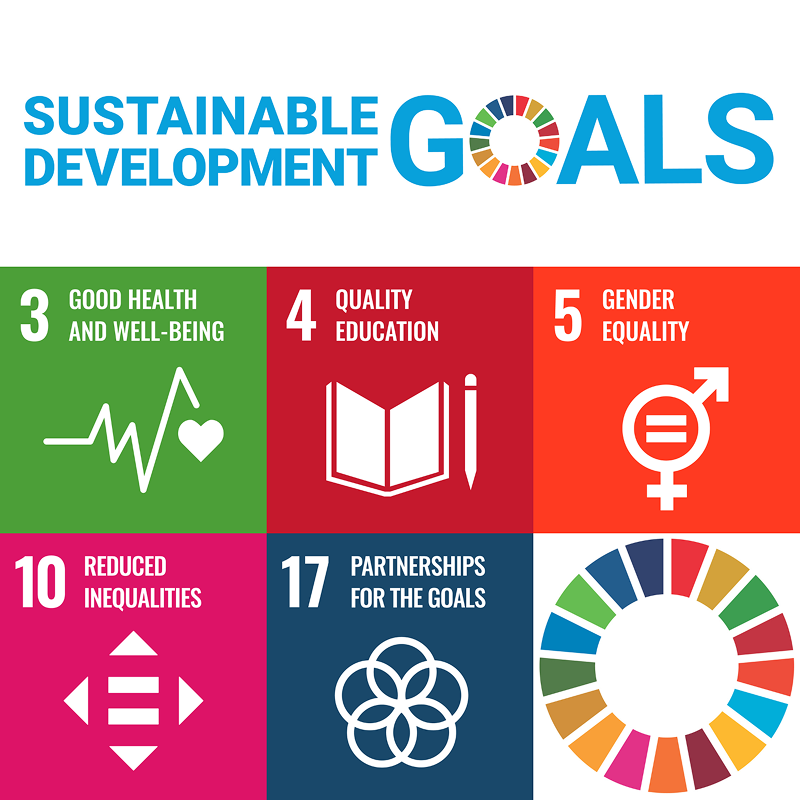
Our research team upholds the United Nations
Sustainable Development Goals(SDGs), particularly those related to Good Health and Well-being, Gender Equality, and Health equity shaped by social and structural factors.

By collaborating with institutions around the globe, we engage in interdisciplinary research aimed at advancing the internationalization of nursing. Ultimately, we strive to contribute to a healthier and more equitable future for all.

Publications

Sugar intake trajectories in adolescents: Evaluating behavioral change with group-based trajectory modeling
Background: Sugar intake through sugar-sweetened beverages (SSBs) remains a major public health concern among adolescents. Tailored dietary interventions have garnered interest for promoting sustainable behavior change, yet traditional pre-post designs often overlook the temporal complexity of individual adaptation. This study applied a trajectory-based approach to assess how adolescents’ sugar intake trajectories evolved in response to an intake-based tailored intervention. Methods: A secondary analysis was conducted on data from a 14-day chatbot intervention (CRIS, KCT0008114) aimed at reducing sugar intake among adolescents. Group based trajectory modeling (GBTM) was used to identify distinct intake trajectories. A linear mixed-effects model examined the impact of tailored intervention type, time, and trajectory group membership on sugar consumption, including their interactions. Subgroup analysis compared intervention responses between native Korean and racial and ethnic adolescents. Results: Three trajectory groups were identified: reduction (38%), maintenance (57%), and no-intake (5%). Adolescents with higher baseline intake exhibited rapid declines in consumption, whereas those with lower intake showed gradual reductions. By the second week, reduction and maintenance groups converged. A significant three-way interaction among intervention type, time, and trajectory group was observed, indicating heterogeneous responses. No group exhibited increased consumption, suggesting sustained effects. Racial and ethnic adolescents demonstrated greater responsiveness to the tailored intervention. Conclusion: Intake-based tailored interventions effectively accommodate individual variability in dietary behavior change, with particularly pronounced benefits among participants with higher baseline intake. These findings underscore the importance of adaptive intervention strategies and the need to consider individual and structural factors when designing public health interventions targeting adolescent diet.